Best Dermatologist for Pigmentation in Chennai
Introduction
Noticing dark patches, uneven skin tone, or stubborn spots that don’t fade with over-the-counter creams can be frustrating and disheartening. Pigmentation concerns are among the most common reasons patients seek dermatological care, and if you’re searching for the best dermatologist for pigmentation Chennai, you’re not alone in this journey. Skin pigmentation affects people across all age groups and skin types, often impacting how we feel about our appearance and confidence in social or professional settings.
Chennai’s intense sun exposure and humid climate create unique challenges for managing pigmentation, making professional dermatological guidance essential rather than optional. This comprehensive guide explores what causes pigmentation, the advanced treatments available in Chennai, what realistic results look like, and how to choose the right dermatologist for your specific concerns. At Vesta Skin Clinic in T. Nagar, Dr. Uma Maheswari specializes in evidence-based pigmentation treatments tailored to Indian skin types and the local environmental factors that influence skin health.
Understanding Skin Pigmentation: More Than Just Dark Spots
Skin pigmentation occurs when melanin—the pigment responsible for skin color—is produced unevenly or excessively in certain areas. While some pigmentation is purely cosmetic, understanding the underlying cause is crucial for effective treatment.
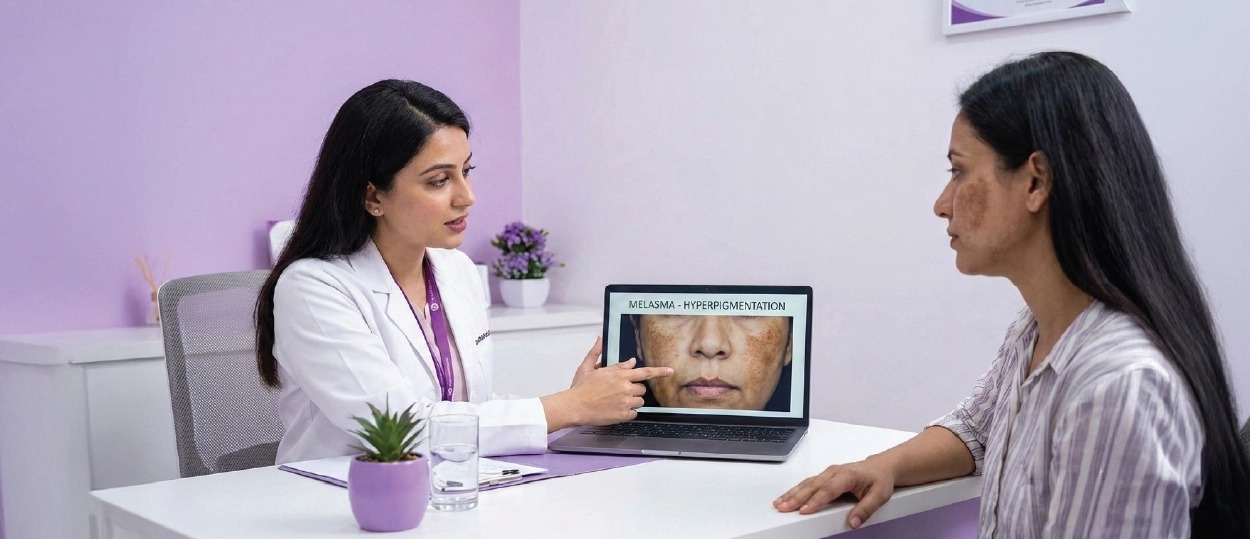
Melasma presents as brown or gray-brown patches, typically on the face, and is strongly influenced by hormonal changes, sun exposure, and genetic predisposition. It’s particularly common among women during pregnancy or while using hormonal contraceptives, earning it the nickname “the mask of pregnancy.”
Post-inflammatory hyperpigmentation develops after skin injury or inflammation—acne, cuts, burns, or aggressive skincare treatments. This type is especially prevalent in darker skin tones and can persist for months without proper treatment.
Solar lentigines, commonly called age spots or sun spots, result from cumulative sun exposure over years. Chennai’s tropical location means most residents experience significant UV exposure, making these extremely common in patients over 40.
Freckles are genetic and typically darken with sun exposure, while periorbital hyperpigmentation (dark circles) results from various factors including genetics, allergies, and lifestyle factors.
Understanding your specific pigmentation type is the first step toward effective treatment—which is why consultation with a qualified dermatologist is essential before beginning any intervention.
Why Chennai’s Climate Makes Professional Treatment Essential
Chennai’s environmental conditions significantly impact pigmentation development and management. The city experiences intense UV radiation year-round, with particularly harsh summer months that accelerate melanin production. High humidity levels can increase skin inflammation, potentially worsening post-inflammatory hyperpigmentation.
Air pollution in urban areas like T. Nagar, Anna Nagar, and Central Chennai contributes to oxidative stress on the skin, which can trigger melanin production and worsen existing pigmentation. These factors make professional dermatological care more important than relying solely on home remedies or unguided product use.
The combination of environmental stressors means that pigmentation treatment in Chennai requires customized protocols that account for climate adaptation, rigorous sun protection strategies, and treatments timed appropriately with seasonal changes.
Advanced Pigmentation Treatments Available
Modern dermatology offers several evidence-based treatments for pigmentation, each suited to different pigmentation types and severity levels.
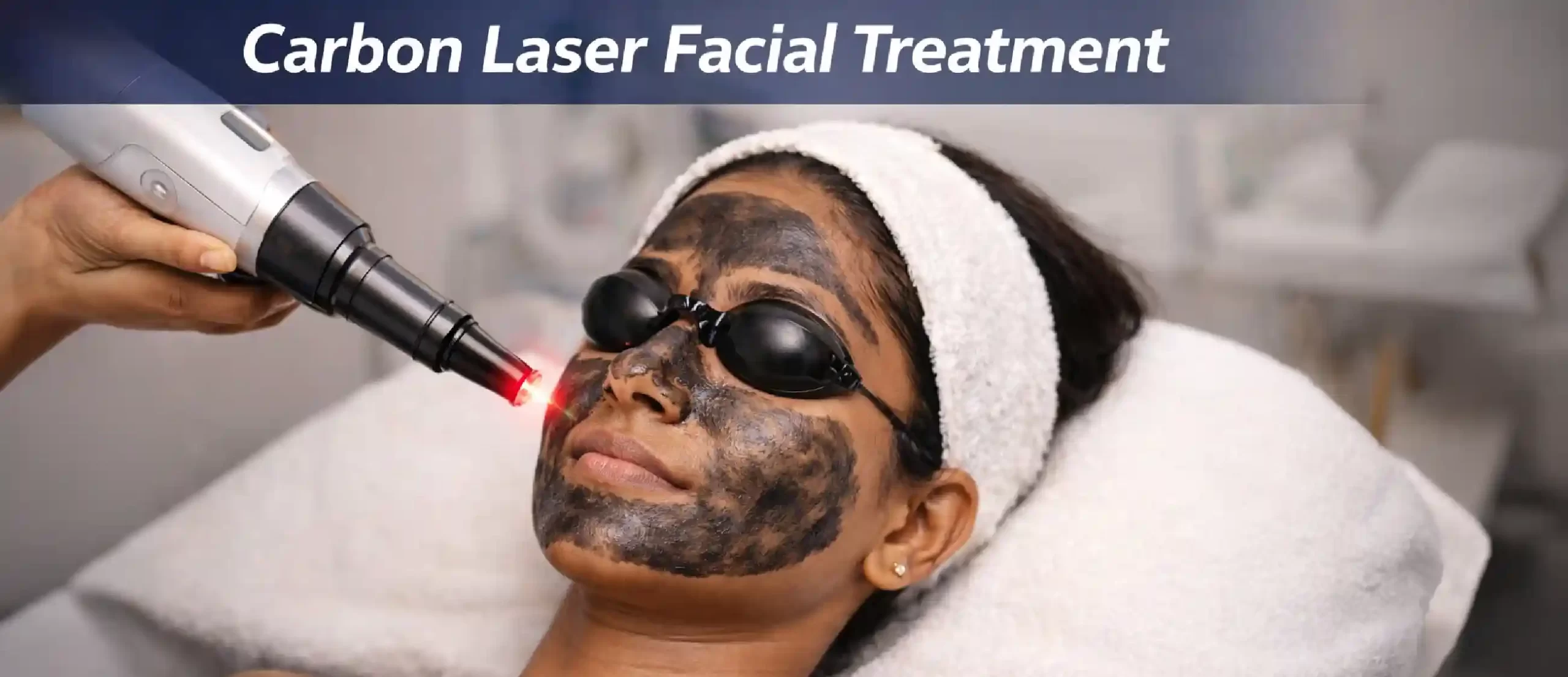
Q-switched laser therapy targets melanin deposits with precision, breaking down excess pigment without damaging surrounding tissue. This treatment is particularly effective for solar lentigines, some types of melasma, and post-inflammatory hyperpigmentation. Patients typically require 3-6 sessions spaced 4-6 weeks apart, with visible lightening beginning after 2-3 treatments.
Pico laser technology represents advancement in laser treatment, delivering ultra-short pulses that fragment pigment more effectively with reduced heat damage. This is especially beneficial for stubborn melasma and works well on Indian skin tones when performed by experienced practitioners.
Chemical peels using glycolic acid, kojic acid, or combination formulations exfoliate pigmented skin layers and inhibit melanin production. Superficial peels require multiple sessions (6-8 treatments) but involve minimal downtime. Medium-depth peels offer more dramatic results but need careful post-treatment management, especially given Chennai’s sun exposure.
Topical depigmentation therapy remains foundational in pigmentation management. Medical-grade formulations containing hydroquinone, kojic acid, arbutin, tranexamic acid, or vitamin C derivatives are prescribed based on pigmentation type and skin sensitivity. These typically show results over 6-12 weeks of consistent use.
Microneedling with mesotherapy involves creating controlled micro-injuries while infusing depigmenting serums deep into the skin. This combination approach addresses pigmentation while improving overall skin texture and radiance.
Oral tranexamic acid has shown promising results for melasma treatment when other approaches prove insufficient. This prescription medication requires medical supervision and is used as part of comprehensive treatment protocols.
What Realistic Results Actually Look Like
Honesty about treatment outcomes is fundamental to ethical dermatological care and patient satisfaction. Complete pigmentation removal is not always achievable, and setting realistic expectations from the beginning prevents disappointment and builds trust.
Most patients experience 50-80% improvement in pigmentation intensity and coverage—a significant change that often dramatically improves skin appearance and confidence. However, results vary considerably based on pigmentation type, depth, how long it’s been present, your skin type, genetic factors, and compliance with post-treatment care and sun protection.
Melasma, in particular, can be challenging and may require ongoing maintenance treatments. It has a tendency to recur with sun exposure, hormonal changes, or treatment discontinuation. Post-inflammatory hyperpigmentation typically responds well to treatment but requires patience—3-6 months for noticeable improvement is common.
Before-and-after documentation, when ethically obtained with patient consent, shows the realistic progression of treatment over weeks and months rather than overnight transformation. Reputable dermatologists photograph patients at consistent intervals under standardized lighting to accurately track improvement.
Choosing the Right Dermatologist: What to Look For
Finding the best dermatologist for pigmentation in Chennai involves evaluating several important factors beyond online reviews or proximity to your location.
Qualifications and specialized training in dermatology and cosmetic procedures are fundamental. Board certification, membership in professional organizations like IADVL (Indian Association of Dermatologists, Venereologists and Leprologists), and continuing education in advanced pigmentation treatments indicate commitment to excellence.
Experience with diverse skin types is crucial, as pigmentation treatments must be adjusted for Indian skin tones (typically Fitzpatrick types IV-V) to avoid complications like paradoxical darkening or scarring.
Access to multiple treatment modalities allows for customized combination approaches rather than one-size-fits-all protocols. The best outcomes often come from combining laser therapy with topical treatments and appropriate skincare.
Transparent communication about realistic expectations, treatment duration, potential side effects, and costs demonstrates respect for patients and builds trust. Be cautious of practitioners who promise rapid or complete pigmentation removal.
Personalized treatment plans based on thorough skin analysis rather than standardized protocols show that the dermatologist considers your unique skin characteristics, lifestyle, and goals.
Comprehensive post-treatment support including follow-up appointments, aftercare guidance, and protocol adjustments as needed ensures optimal results and addresses concerns promptly.
Vesta Skin Clinic’s Evidence-Based Approach to Pigmentation
At Vesta Skin Clinic in T. Nagar, Dr. Uma Maheswari brings extensive dermatological expertise and international training to pigmentation treatment, recognizing that each patient’s journey with pigmentation is unique and requires individualized care.
The treatment process begins with comprehensive skin analysis using advanced diagnostic tools that assess pigmentation depth, type, distribution, and contributing factors. This detailed evaluation allows Dr. Uma Maheswari to develop customized treatment protocols that address your specific pigmentation pattern rather than applying generic solutions.
The clinic utilizes state-of-the-art technology including advanced laser systems specifically calibrated for Indian skin types, medical-grade chemical peels, and pharmaceutical-quality topical formulations. This multi-modal approach combines treatments strategically—for instance, laser therapy for deeper pigmentation combined with chemical peels for surface irregularities and topical agents for ongoing melanin suppression.
Dr. Uma Maheswari’s treatment philosophy emphasizes gradual, sustainable improvement over aggressive interventions that risk complications. This patient-centered approach prioritizes skin health alongside aesthetic goals, ensuring treatments enhance rather than compromise your skin’s integrity.
Post-treatment care receives equal attention to the procedures themselves. Detailed aftercare instructions, customized homecare regimens, and regular follow-up appointments monitor progress and allow for protocol refinement based on your skin’s response. Sunscreen education and selection tailored to Chennai’s climate form an integral part of every treatment plan.
Accessible from Mylapore, Adyar, Nungambakkam, Anna Nagar, and throughout Central Chennai, Vesta Skin Clinic maintains the highest standards of clinical hygiene, patient privacy, and professional care. The clinic environment is designed to be welcoming and comfortable, recognizing that discussing aesthetic concerns requires a safe, non-judgmental space.
Sun Protection: The Non-Negotiable Foundation
No pigmentation treatment succeeds without rigorous sun protection—this cannot be overstated. UV exposure is both a primary cause of pigmentation and the main reason treatments fail or pigmentation recurs.
For Chennai’s intense sun conditions, dermatologists recommend broad-spectrum sunscreen with SPF 50+ applied generously every two hours when outdoors. Physical sunscreens containing zinc oxide or titanium dioxide offer excellent protection for pigmentation-prone skin.
Beyond sunscreen, protective measures include wide-brimmed hats, sunglasses, seeking shade during peak UV hours (11 AM-3 PM), and using umbrellas when walking through busy areas like T. Nagar or commuting. For patients who drive regularly, UV-protective window film can reduce incidental exposure.
Indoor UV exposure from windows and screens, while less intense, still contributes to pigmentation—sunscreen remains important even when working from home.
Lifestyle Factors That Influence Pigmentation
Several lifestyle elements affect pigmentation development and treatment success. Stress management matters because cortisol can influence melanin production and worsen melasma. Adequate sleep supports skin repair processes and reduces inflammation.
Dietary factors play a supportive role. Antioxidant-rich foods including berries, leafy greens, nuts, and green tea help combat oxidative stress that triggers pigmentation. Staying well-hydrated supports overall skin health, particularly important in Chennai’s climate.
Avoiding skin trauma and aggressive scrubbing prevents post-inflammatory hyperpigmentation. Gentle skincare practices with products appropriate for your skin type minimize inflammation risk.
Hormonal factors must be considered—if melasma appeared during pregnancy or with contraceptive use, discussing these patterns with your dermatologist helps predict treatment response and recurrence risk.
When to Schedule Your Consultation
Seek professional dermatological consultation if pigmentation affects your confidence or quality of life, if dark spots are changing in appearance or spreading, if over-the-counter products show no improvement after 6-8 weeks of consistent use, or if you’re unsure about the cause of your pigmentation.
For your first appointment, bring a list of current skincare products, medications including supplements, previous treatments you’ve tried and their results, and any questions about treatment options, timeline, or costs. Photos showing how your pigmentation has changed over time can provide valuable diagnostic information.
The typical consultation includes detailed skin examination under specialized lighting, discussion of your concerns and aesthetic goals, explanation of suitable treatment options with realistic outcome projections, cost estimates and treatment timeline development, and initial skincare recommendations.
Many patients appreciate discussing not just the treatment itself but also preventive strategies to maintain results long-term.
Maintenance and Long-Term Pigmentation Management
Successful pigmentation treatment extends beyond initial improvement to ongoing maintenance. Most patients require periodic touch-up treatments—perhaps every 6-12 months—to maintain results, especially for conditions like melasma that have recurrence tendencies.
Continuing topical maintenance formulations at lower concentrations helps sustain improvement after intensive treatment phases. Regular dermatological check-ups allow for early intervention if pigmentation begins returning.
Seasonal adjustments to skincare and sun protection—intensifying protection during Chennai’s harsh summer months—support long-term pigmentation control.
Conclusion
Finding the best dermatologist for pigmentation in Chennai means partnering with someone who combines medical expertise, advanced technology, understanding of Indian skin types, and genuine commitment to your skin health journey. Pigmentation treatment requires patience, realistic expectations, and consistent effort—but the improvement in skin appearance and confidence can be truly transformative.
While pigmentation may not disappear completely overnight, evidence-based treatments administered by qualified dermatologists offer significant improvement for most patients. The key lies in accurate diagnosis, customized treatment protocols, rigorous sun protection, and ongoing professional guidance.
If you’re ready to address your pigmentation concerns with expert care, Vesta Skin Clinic in T. Nagar offers comprehensive consultation with Dr. Uma Maheswari. Your journey toward clearer, more even-toned skin begins with understanding your specific needs and exploring treatments tailored to achieve realistic, lasting results.
Book your confidential consultation today and discover how professional dermatological care can help you achieve the skin confidence you deserve.
Medical Disclaimer: This article provides general information about pigmentation and treatment options. Individual results vary, and this content should not replace personalized medical advice. Consult with a qualified dermatologist for proper diagnosis and treatment recommendations specific to your condition.