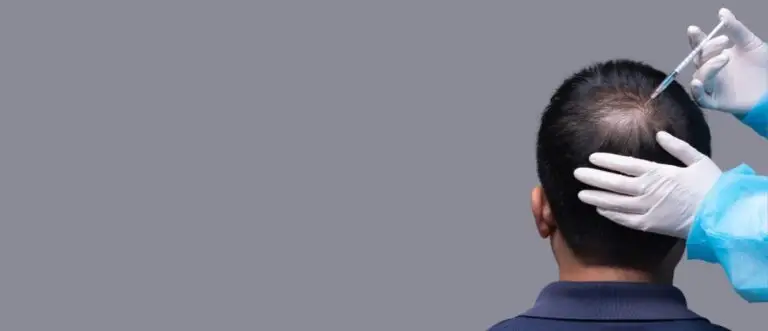
PRP Hair Treatment in T Nagar Chennai
Introduction
Are you experiencing thinning hair, receding hairlines, or noticeable hair loss that affects your confidence? You’re not alone—millions of people struggle with hair loss, and many are searching for effective, natural solutions that don’t involve surgery or harsh chemicals. PRP hair treatment in T Nagar, Chennai has gained significant attention as a promising option for hair restoration, but you might be wondering: does it actually work? This comprehensive guide explores the science behind Platelet-Rich Plasma (PRP) therapy for hair loss, examining its effectiveness, what the treatment involves, and whether it’s the right choice for your specific hair concerns. Understanding the facts about PRP can help you make an informed decision about this innovative approach to hair rejuvenation.
What Is PRP Hair Treatment?
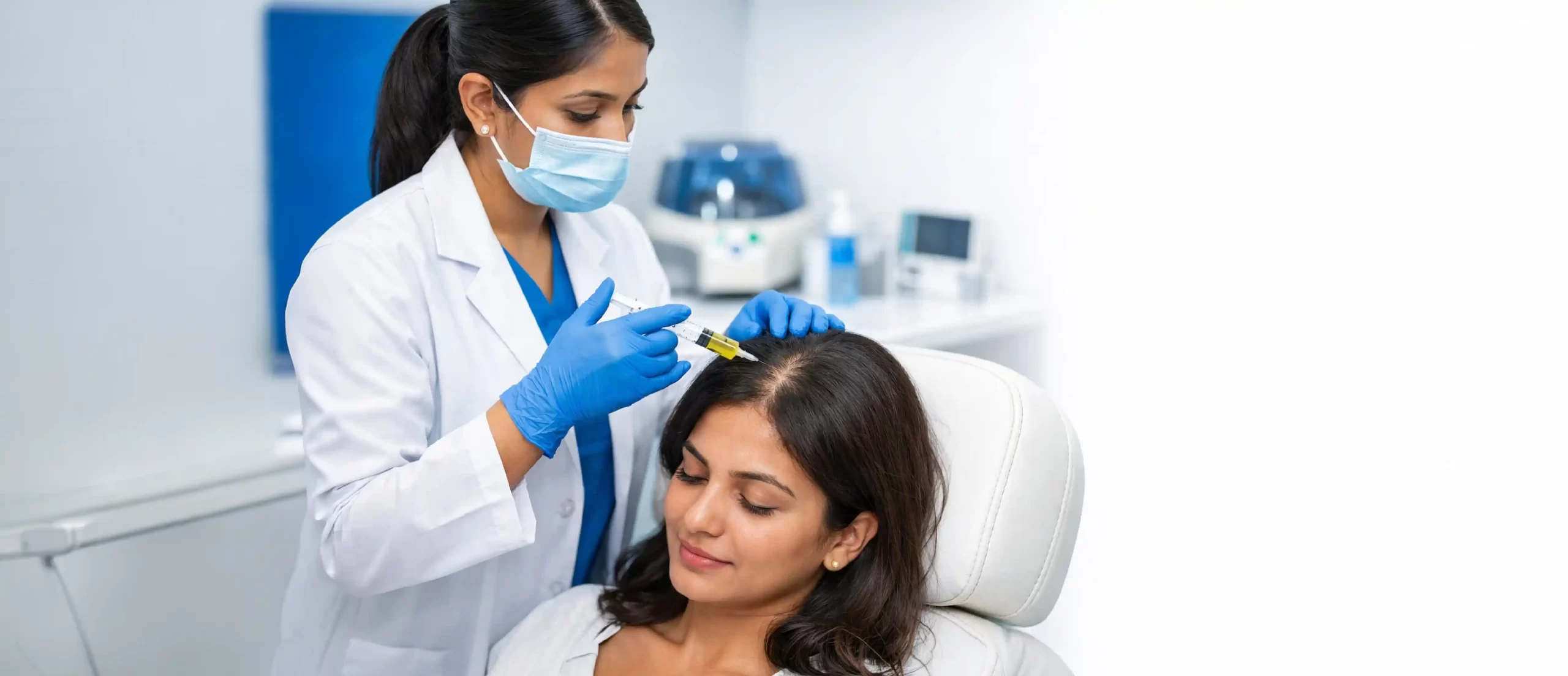
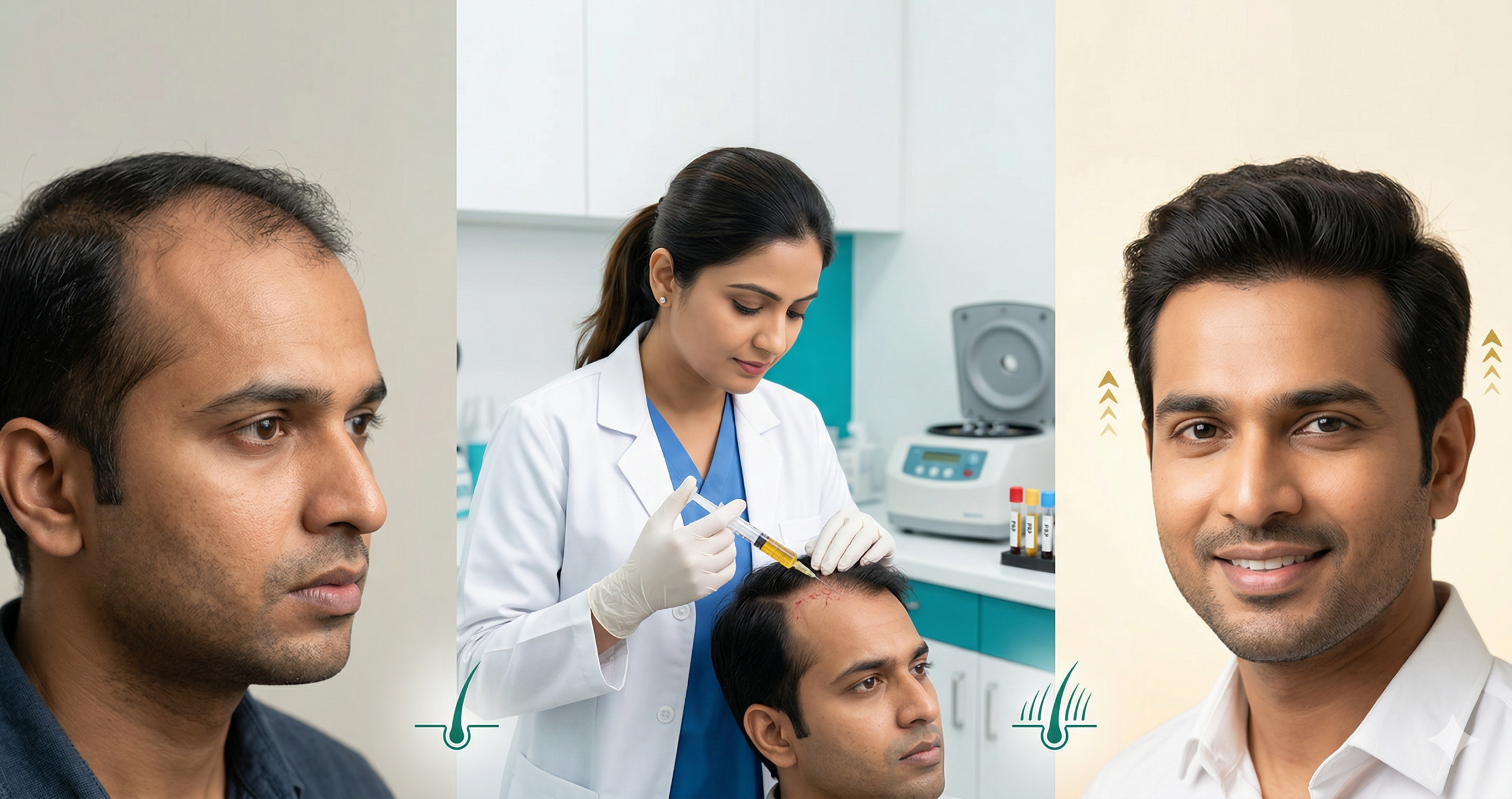
Platelet-Rich Plasma (PRP) therapy is a regenerative medical treatment that uses your own blood to stimulate hair growth and improve hair density. The procedure involves drawing a small amount of your blood, processing it in a centrifuge to concentrate the platelets, and then injecting this platelet-rich solution into areas of the scalp experiencing hair loss or thinning.
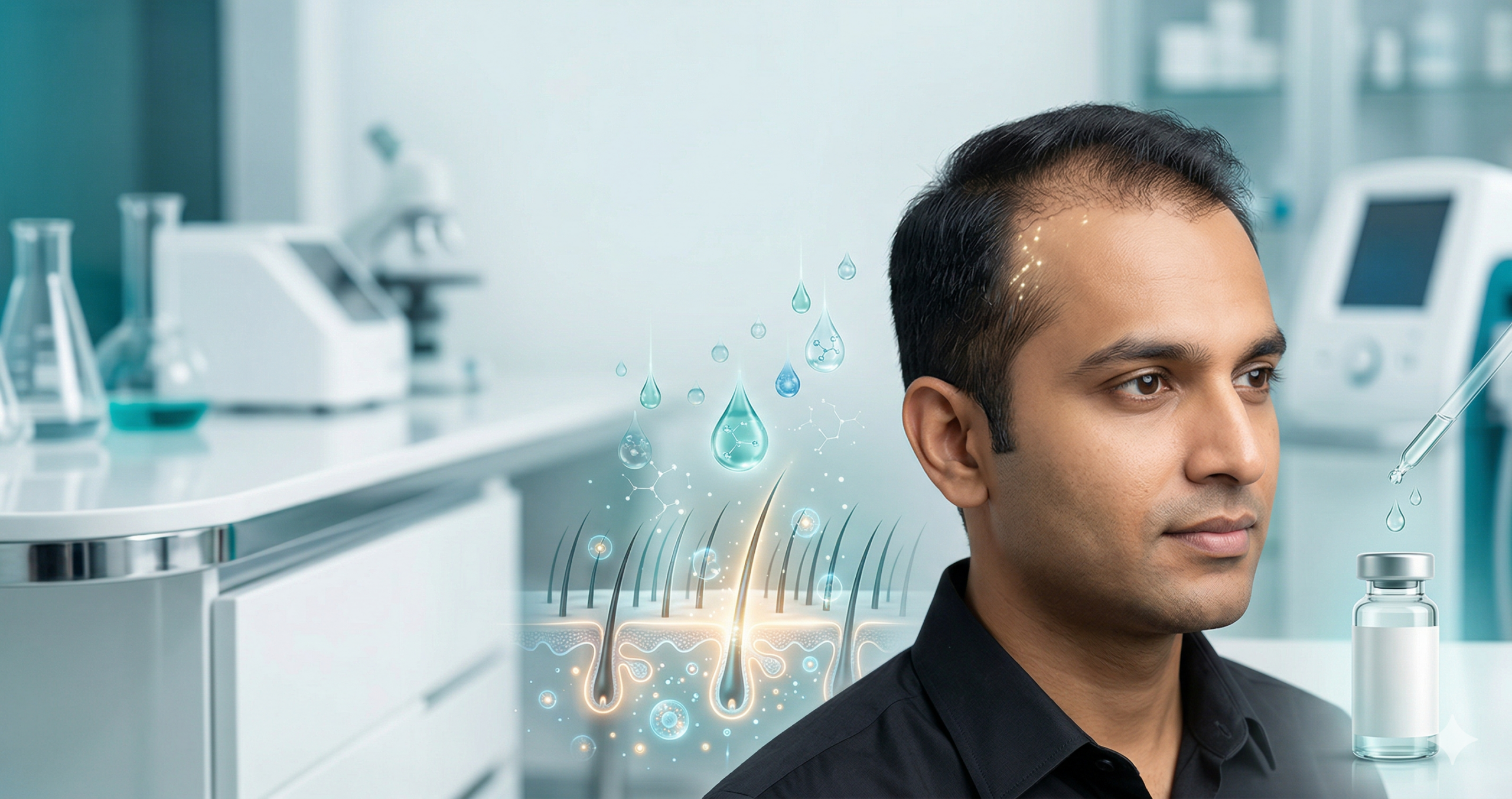
Platelets are blood cells that contain growth factors—powerful proteins that play crucial roles in tissue repair and regeneration. When concentrated platelets are injected into the scalp, they release these growth factors, which can:
- Stimulate dormant hair follicles to enter the growth phase
- Increase blood circulation to hair follicles
- Promote cellular regeneration and tissue repair
- Strengthen existing hair and improve hair shaft thickness
- Prolong the growth phase of the hair cycle
Because PRP uses your own biological material, it’s considered a natural, autologous treatment with minimal risk of allergic reactions or rejection.
Understanding Hair Loss: Why Does It Happen?
Before exploring whether PRP works, it’s helpful to understand why hair loss occurs. Common causes include:
- Androgenetic alopecia: Hereditary pattern baldness affecting both men and women, influenced by genetics and hormonal factors
- Hormonal changes: Thyroid disorders, PCOS, menopause, or postpartum changes can trigger hair shedding
- Nutritional deficiencies: Lack of iron, protein, vitamins D and B12 can weaken hair
- Stress: Physical or emotional stress can push hair follicles into a resting phase
- Environmental factors: Chennai’s humid climate, pollution, and hard water can affect hair health
- Medical conditions: Autoimmune disorders like alopecia areata or scalp infections
- Medications: Certain drugs may have hair loss as a side effect
Identifying the underlying cause through proper diagnosis is essential for determining whether PRP is an appropriate treatment option for your specific type of hair loss.
Does PRP Hair Treatment Actually Work?
The critical question: is PRP effective for hair loss? The evidence suggests that PRP can be beneficial for certain types of hair loss, particularly androgenetic alopecia, but results vary among individuals.
What Research Shows
Multiple clinical studies have investigated PRP’s effectiveness for hair restoration:
- Studies show that PRP can increase hair density, thickness, and the number of actively growing hairs in patients with androgenetic alopecia
- Research indicates that PRP may be most effective during early stages of hair loss when follicles are weakened but not completely inactive
- Patients typically report improvements in hair volume, reduced shedding, and enhanced hair quality after a series of treatments
- The concentration of platelets, preparation method, and injection technique can significantly influence outcomes
Realistic Expectations
PRP works best for hair thinning and miniaturization rather than complete baldness. It’s important to understand:
- PRP cannot revive completely dead hair follicles or restore hair in areas of long-term baldness
- Results are gradual, with noticeable improvements typically appearing after three to six months
- Multiple sessions are usually required, followed by maintenance treatments
- Individual results vary based on age, extent of hair loss, underlying causes, and overall health
- PRP is often most effective when combined with other evidence-based treatments like minoxidil or finasteride (for appropriate candidates)
Who Is a Good Candidate for PRP Hair Treatment?
PRP may be suitable for you if you have:
- Early-stage androgenetic alopecia with active but weakening hair follicles
- Overall good health without blood disorders or platelet dysfunction
- Realistic expectations about gradual improvement rather than dramatic overnight results
- Willingness to commit to multiple treatment sessions
- Preference for natural, minimally invasive approaches
PRP may not be recommended if you:
- Have advanced baldness with completely inactive follicles
- Are experiencing hair loss due to uncontrolled medical conditions
- Have blood disorders, low platelet counts, or are on anticoagulant therapy
- Have active scalp infections or inflammatory conditions
- Are pregnant or breastfeeding
A thorough consultation with a qualified dermatologist is essential to determine your candidacy.
What to Expect During PRP Hair Treatment
Understanding the procedure helps reduce anxiety and sets realistic expectations:
Step 1: Consultation and Assessment
Your dermatologist will examine your scalp, review your medical history, assess your hair loss pattern, and may perform tests to identify underlying causes. This comprehensive evaluation determines whether PRP is appropriate for your situation.
Step 2: Blood Collection
A small amount of blood (typically 10-20 ml) is drawn from your arm, similar to routine blood tests.
Step 3: Centrifugation
The blood is placed in a centrifuge machine that spins at high speed to separate plasma rich in platelets from other blood components. This process concentrates the growth factors.
Step 4: Scalp Preparation
Your scalp is cleansed, and a topical numbing cream may be applied to minimize discomfort during injections.
Step 5: PRP Injection
Using fine needles, the concentrated PRP is injected into targeted areas of the scalp where hair thinning or loss is occurring. The procedure typically takes 30 to 60 minutes.
Step 6: Post-Treatment Care
You can usually resume normal activities immediately, though you may be advised to avoid washing your hair for 24 hours and to skip strenuous exercise for a day or two.
Treatment Protocol and Timeline
PRP hair treatment typically follows this schedule:
- Initial phase: Three to four sessions spaced four to six weeks apart
- Results timeline: Visible improvements usually appear after three to six months as new hair grows
- Maintenance: Follow-up sessions every six to twelve months to sustain results
Consistency and patience are key, as hair growth is a gradual biological process.
Benefits of PRP for Hair Loss
When administered properly, PRP offers several advantages:
- Natural approach: Uses your own blood components, minimizing risks
- Minimally invasive: No surgery, incisions, or general anesthesia required
- Low risk: Minimal side effects compared to surgical hair restoration
- Quick procedure: Sessions typically completed within an hour
- No downtime: Return to daily activities immediately
- Complementary treatment: Can be combined with other hair loss therapies
- Improves hair quality: Enhances thickness, strength, and shine
Potential Side Effects and Considerations
PRP is generally safe, but mild side effects may occur:
- Temporary scalp tenderness or soreness at injection sites
- Minor swelling or redness that resolves within hours
- Slight bruising (rare)
- Headache (uncommon)
Serious complications are extremely rare when performed by qualified professionals using sterile techniques. Choosing an experienced dermatologist significantly reduces risks.
PRP and Indian Hair: Special Considerations
Indian hair has unique characteristics that influence treatment approach:
- Hair texture: Indian hair tends to be thick and coarse, which may respond well to volumizing effects of PRP
- Scalp conditions: Chennai’s humidity can contribute to scalp oiliness and dandruff, which should be managed alongside PRP treatment
- Genetic factors: Pattern baldness may manifest differently in Indian populations
- Environmental stress: Pollution and UV exposure in urban Chennai can damage hair, making protective care essential
A dermatologist experienced in treating diverse hair types ensures optimal protocol customization.
Vesta Skin Clinic’s Approach to PRP Hair Treatment
At Vesta Skin Clinic in T Nagar, Chennai, PRP hair treatment is delivered with precision and personalized care under Dr. Uma Maheswari’s expert guidance, combining her international training from the University of South Wales, London, with specialized knowledge in hair restoration.
Comprehensive Hair Analysis: Every patient receives a detailed scalp examination using advanced diagnostic tools to assess hair density, scalp health, and underlying causes of hair loss. Dr. Uma Maheswari believes in identifying root causes rather than simply treating symptoms.
Customized Treatment Protocols: Based on individual assessment, treatment plans are tailored to address specific hair loss patterns, severity, and patient goals. The clinic uses evidence-based PRP preparation techniques to ensure optimal platelet concentration and growth factor activation.
Quality and Safety Standards: Vesta Skin Clinic employs sterile procedures, uses FDA-approved equipment for blood processing, and adheres to international safety protocols. Each PRP preparation is handled with meticulous attention to quality control.
Integrated Care Approach: When appropriate, PRP is combined with complementary treatments such as nutritional guidance, topical therapies, or low-level laser therapy to maximize results and address multiple factors contributing to hair loss.
Patient Education and Support: The clinic provides transparent information about expected outcomes, treatment timelines, and maintenance requirements. Patients receive detailed aftercare instructions and ongoing support throughout their hair restoration journey.
Convenient Location: Located in the heart of T Nagar, Vesta Skin Clinic offers accessibility for patients across Chennai seeking expert dermatological care for hair concerns.
Conclusion
PRP hair treatment in T Nagar, Chennai represents a scientifically backed, minimally invasive option for individuals experiencing hair thinning and early-stage hair loss. While it’s not a miracle cure for advanced baldness, research and clinical experience demonstrate that PRP can effectively improve hair density, reduce shedding, and enhance hair quality when performed correctly and for appropriate candidates.
The key to successful outcomes lies in proper patient selection, accurate diagnosis of hair loss causes, expert technique, and realistic expectations. PRP works best as part of a comprehensive approach to hair health that may include lifestyle modifications, nutritional optimization, and complementary treatments.
If you’re concerned about hair loss and wondering whether PRP is right for you, the essential first step is consulting with a qualified dermatologist who can evaluate your specific situation, identify underlying factors, and recommend the most effective treatment strategy tailored to your needs.
Ready to explore PRP hair treatment? Schedule a comprehensive consultation with Dr. Uma Maheswari at Vesta Skin Clinic in T Nagar, Chennai to receive an expert assessment and discover whether PRP can help you achieve healthier, fuller hair.
Disclaimer: This article is for informational purposes only and does not constitute medical advice. Individual results from PRP treatment vary based on numerous factors. Always consult with a qualified dermatologist to determine the most appropriate treatment for your specific hair loss condition and medical history.