Melasma Treatment in Chennai Dermatologist
Introduction
Watching dark patches slowly spread across your cheeks, forehead, or upper lip can feel disheartening, especially when countless creams promise miracles but deliver disappointment. If you’re searching for melasma treatment Chennai dermatologist, you’re looking for solutions that actually work—not just temporary cover-ups or unproven remedies. Melasma is one of the most challenging pigmentation conditions dermatologists treat, often requiring patience, expertise, and a comprehensive approach rather than a single magic solution.
The frustration of melasma goes beyond cosmetic concerns. These persistent brown or gray-brown patches can affect your confidence in professional settings, social situations, and even how you see yourself in the mirror each morning. Chennai’s intense sun exposure and humid climate create particularly challenging conditions for managing melasma, making professional dermatological guidance essential rather than optional.
This guide explores evidence-based melasma treatments that show real results, realistic timelines for improvement, why some approaches work better than others, and how to choose the right dermatologist in Chennai who understands this complex condition. At Vesta Skin Clinic in T. Nagar, Dr. Uma Maheswari specializes in comprehensive melasma management tailored to Indian skin types and the environmental factors unique to our region.
Understanding Melasma: Why It’s So Stubborn
Melasma is a chronic pigmentation disorder characterized by symmetrical brown or gray-brown patches, most commonly appearing on the face—particularly the cheeks, bridge of nose, forehead, upper lip, and chin. Unlike simple sun spots or post-inflammatory pigmentation, melasma involves complex interactions between melanocytes (pigment-producing cells), hormones, sun exposure, and genetic predisposition.
The condition predominantly affects women, with hormonal factors playing a significant role. Pregnancy often triggers melasma development, earning it the nickname “the mask of pregnancy” or chloasma. Oral contraceptives, hormone replacement therapy, and other hormonal medications can similarly activate or worsen melasma.
Sun exposure acts as the primary aggravating factor. UV radiation stimulates melanocytes to produce excess melanin, darkening existing patches and potentially triggering new ones. Chennai’s tropical location means residents face year-round intense UV exposure, making sun protection absolutely critical for anyone dealing with melasma.
Heat and visible light also contribute to melasma—a factor often overlooked. Even indoors, heat from cooking or visible light from screens can stimulate melanin production in melasma-prone skin. This explains why melasma can worsen despite diligent sunscreen use.
Genetic predisposition matters significantly. If your mother or sisters have melasma, you’re more likely to develop it. Certain ethnicities, including South Asian populations, show higher melasma prevalence due to naturally higher melanin content in skin.
Why Over-the-Counter Products Often Fail
Many patients spend months or even years trying various fairness creams, home remedies, and online-recommended products before seeking professional help. Understanding why these approaches typically disappoint helps explain the value of dermatologist-guided treatment.
Most commercial lightening products contain insufficient concentrations of active ingredients to penetrate deeply enough to affect melasma. Prescription-strength formulations use higher concentrations unavailable in retail products.
Melasma isn’t simply surface pigmentation—it often involves pigment deposits in deeper skin layers (dermal melasma) that topical creams alone cannot reach effectively. This requires combination approaches including procedures that work at different skin depths.
Without proper diagnosis, you might be treating the wrong condition entirely. Post-inflammatory hyperpigmentation, sun damage, or other pigmentation disorders require different treatment approaches than melasma.
Inconsistent or improper product use undermines results. Melasma treatment requires religious adherence to regimens, often for months, before visible improvement occurs. Many people discontinue products prematurely when they don’t see immediate results.
Evidence-Based Melasma Treatments That Actually Work
Effective melasma management typically requires multiple treatment modalities working synergistically rather than relying on a single approach.
Prescription topical therapy forms the foundation of melasma treatment. Triple combination creams containing hydroquinone, tretinoin, and a corticosteroid remain the gold standard first-line treatment. Hydroquinone inhibits melanin production, tretinoin accelerates skin cell turnover, and corticosteroids reduce inflammation that can worsen pigmentation.
Alternative topical agents include kojic acid, azelaic acid, tranexamic acid, cysteamine, and arbutin—used individually or in combinations based on skin tolerance and response. These prescription formulations achieve results that over-the-counter products cannot match.
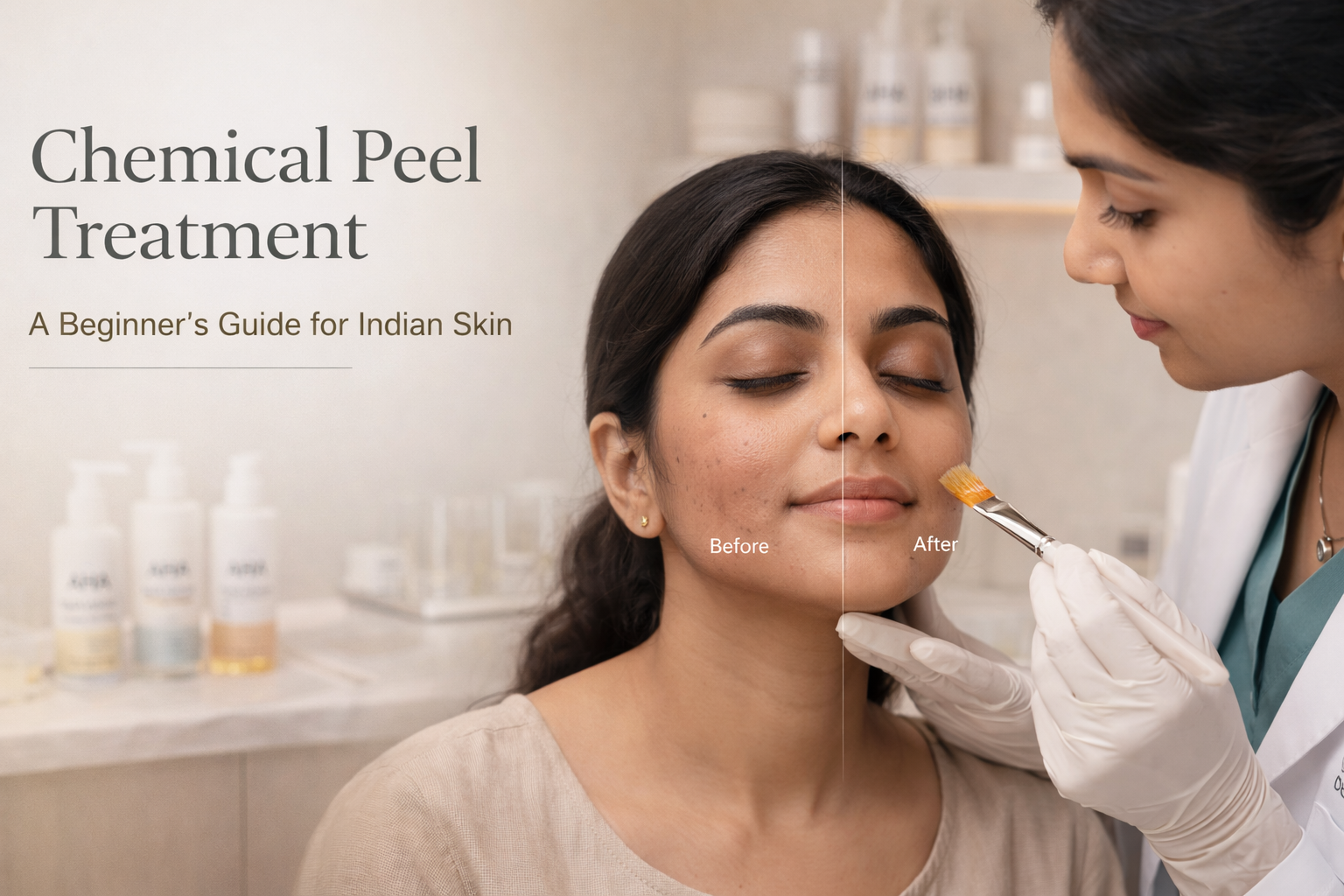
Chemical peels accelerate improvement by removing pigmented skin layers and stimulating cellular renewal. Glycolic acid peels, TCA peels at varying concentrations, and combination peels incorporating multiple acids target melasma at different skin depths. Most patients require a series of 4-6 peels spaced 2-4 weeks apart, combined with ongoing topical therapy.
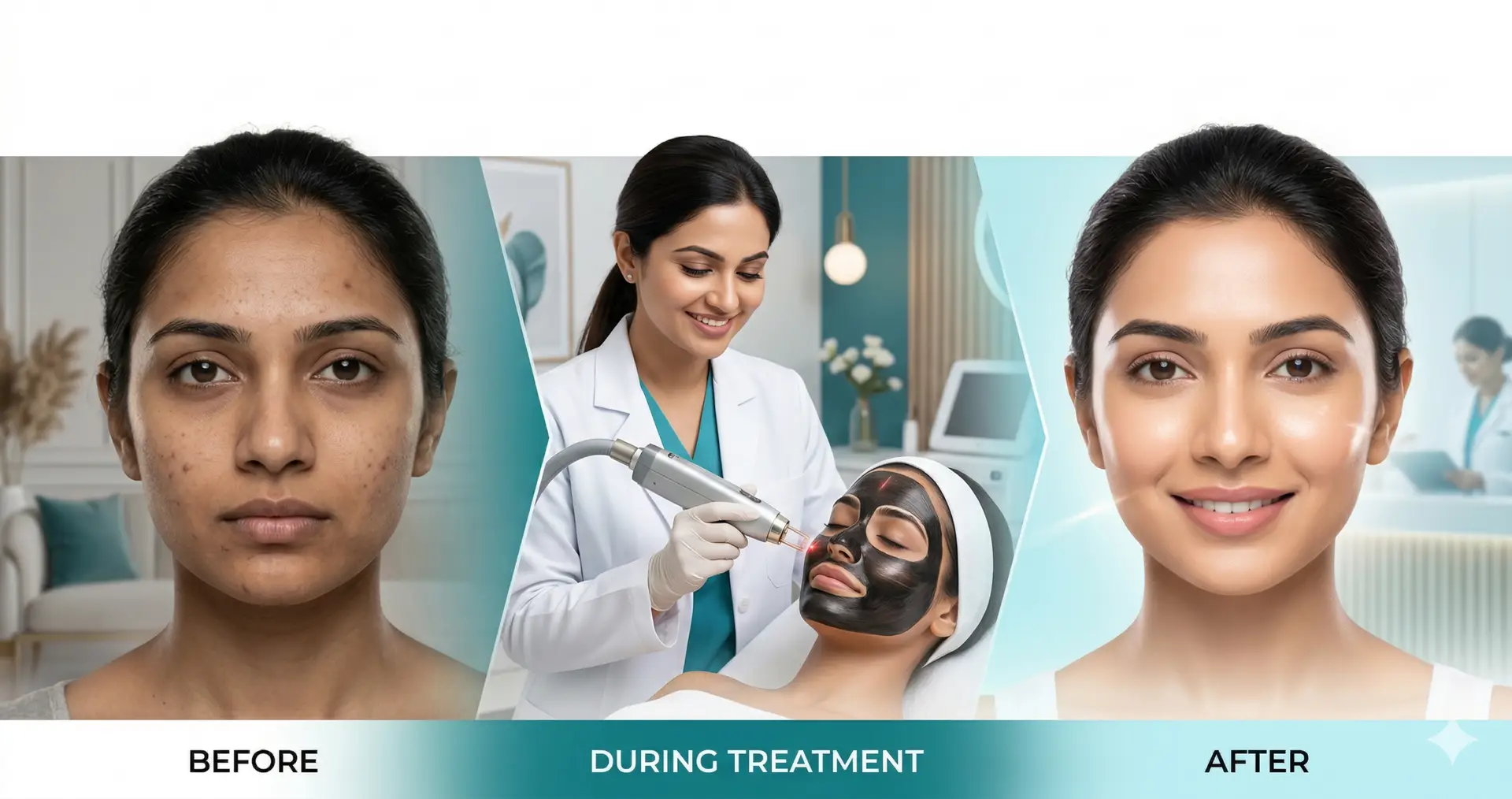
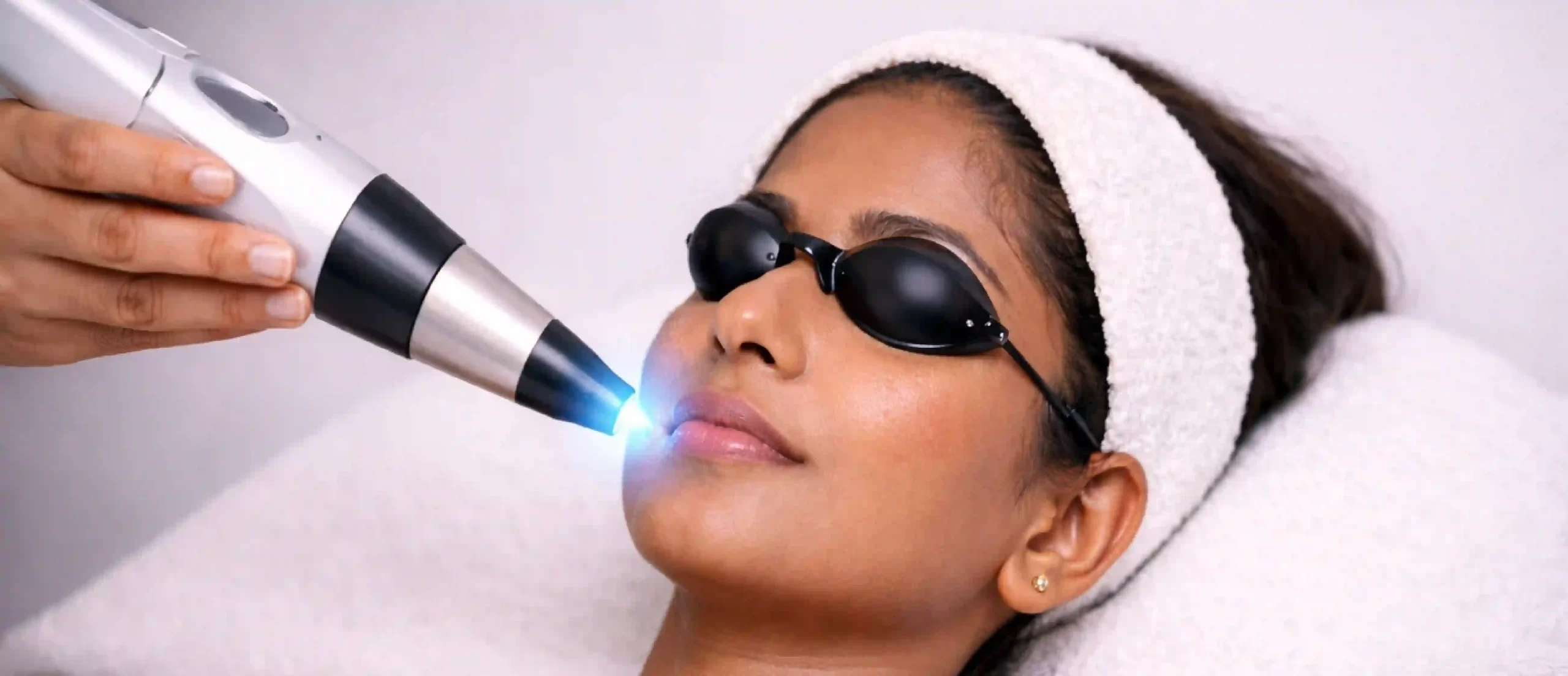
Laser and light-based treatments offer advanced options for stubborn melasma. Q-switched Nd:YAG laser delivers targeted energy to break up melanin deposits with minimal heat damage—crucial for preventing post-inflammatory hyperpigmentation. Low-fluence Q-switched laser (laser toning) provides gentle, gradual improvement suitable for darker skin tones common in Chennai.
Pico laser technology represents newer advancement, fragmenting pigment more efficiently with ultra-short pulses. However, laser treatments for melasma require exceptional expertise, as inappropriate settings can worsen pigmentation rather than improve it.
Oral tranexamic acid has emerged as an effective adjunct therapy for melasma. This prescription medication works systemically to reduce melanin production and shows particular promise for difficult-to-treat cases. Treatment typically involves daily oral doses for 2-3 months under medical supervision.
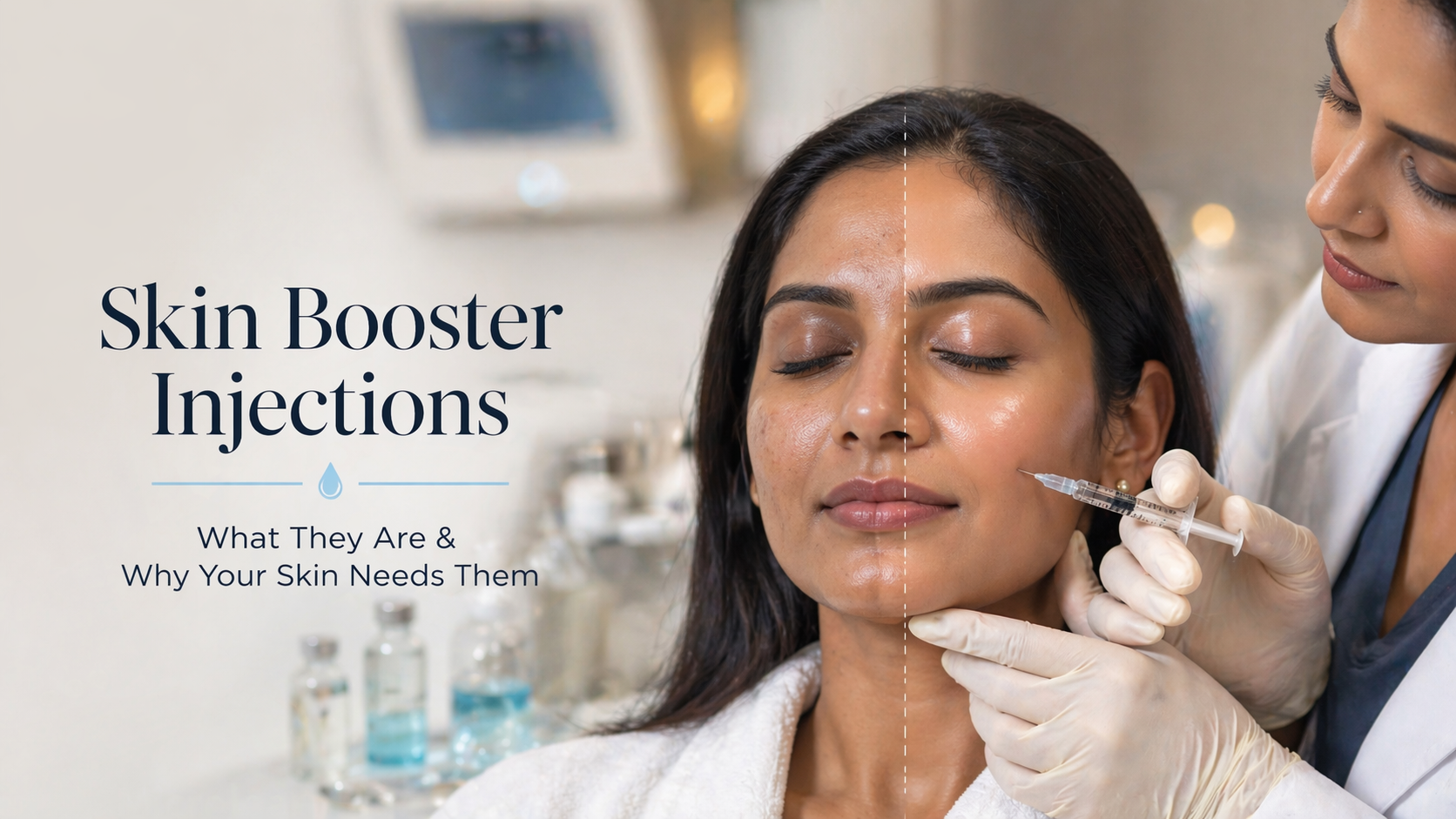
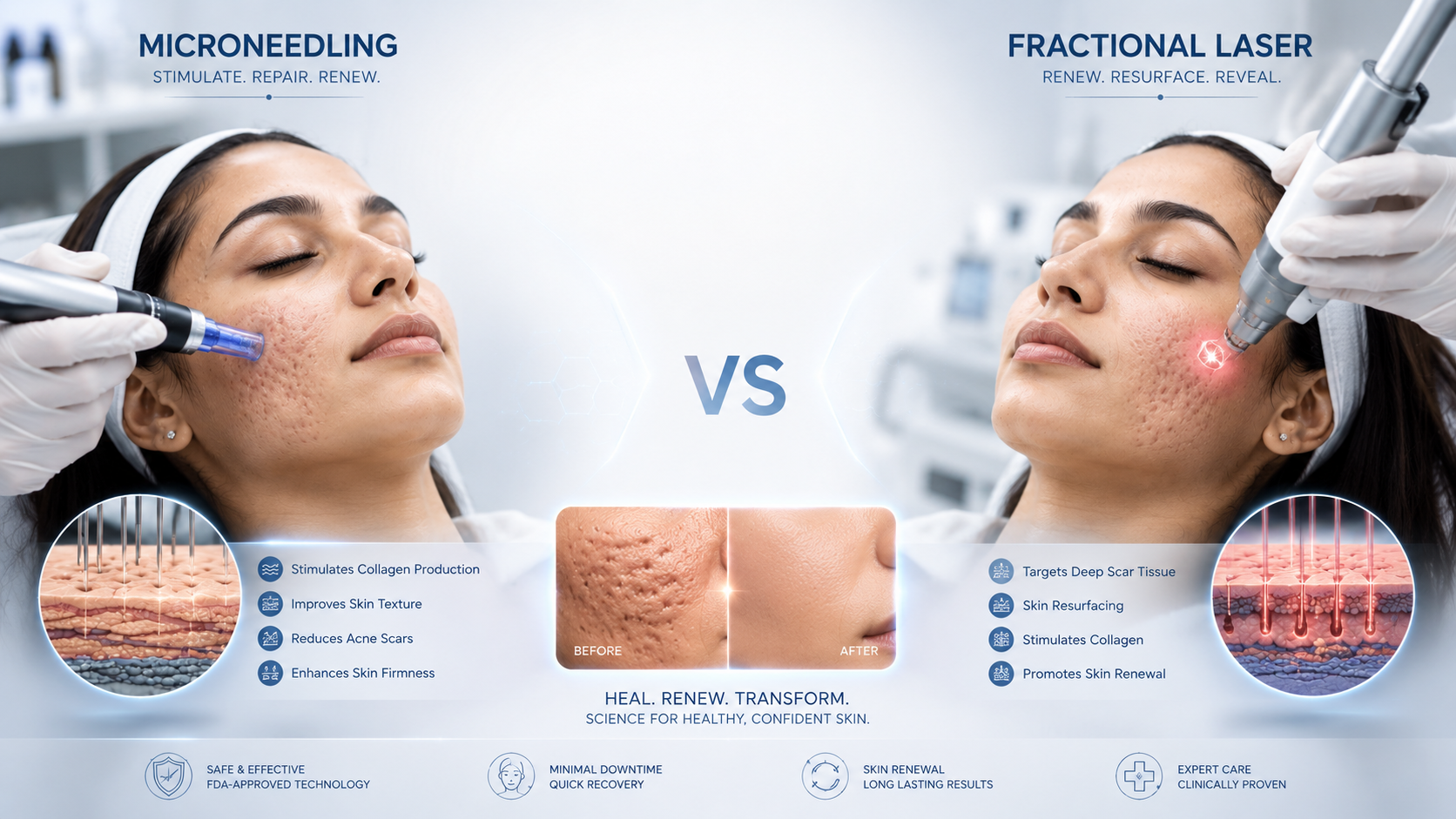
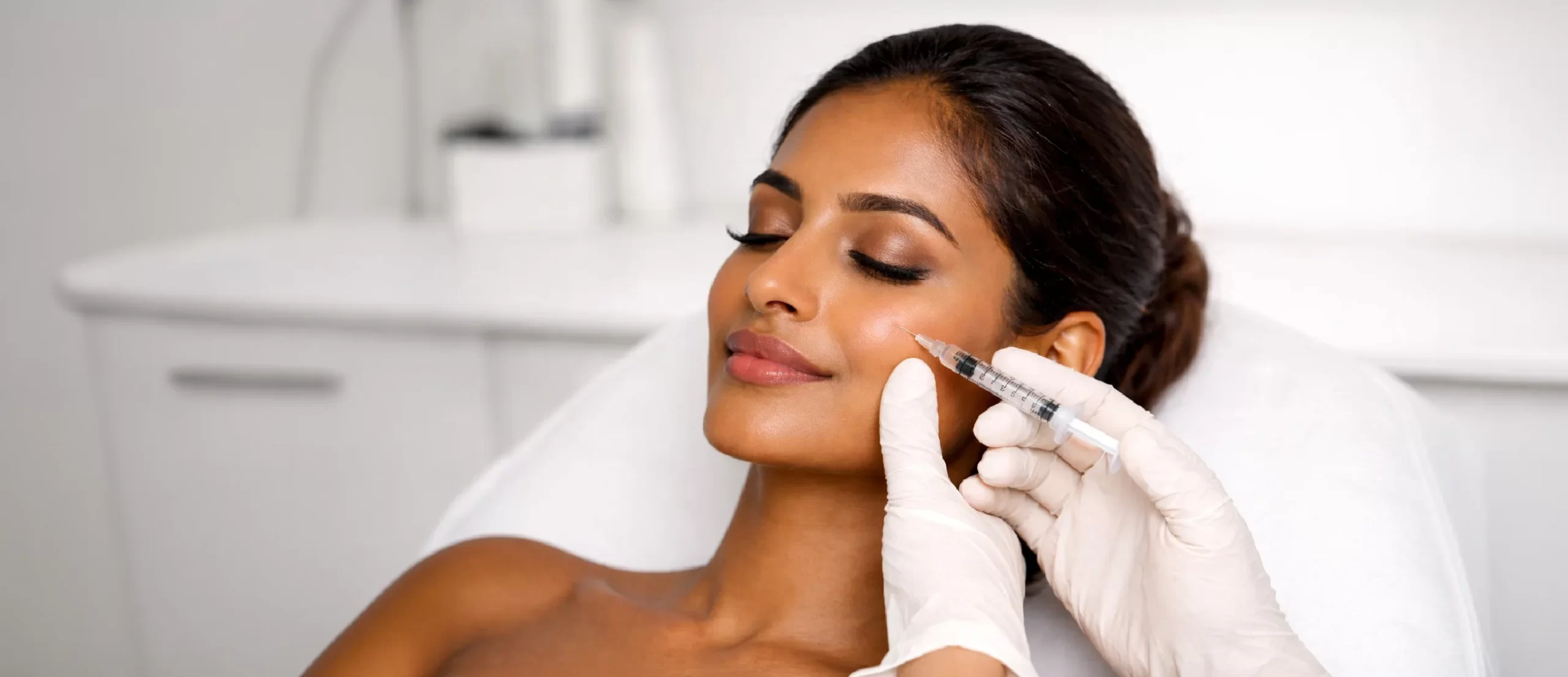
Microneedling with mesotherapy combines controlled micro-injuries with delivery of depigmenting agents directly into skin. This approach enhances absorption of topical treatments while stimulating collagen production for overall skin texture improvement.
The Realistic Treatment Timeline: Patience Required
One reason patients feel disappointed with melasma treatment is unrealistic expectations about speed of improvement. Understanding typical timelines helps maintain motivation during the journey.
Weeks 1-4: With prescription topical therapy, you likely won’t see dramatic changes yet. Some patients experience initial darkening as pigmented cells rise to the surface—this is normal and temporary. Consistent application and sun protection during this phase are crucial.
Weeks 6-12: Noticeable lightening typically begins around this timeframe. Patches gradually become less dark and distinct. If combining topical treatment with chemical peels or laser sessions, improvement accelerates during this period.
Months 3-6: Significant visible improvement occurs for most patients who adhere to comprehensive treatment protocols. Melasma patches lighten substantially, though complete clearance is uncommon. This is often when patients feel the emotional impact of treatment success—renewed confidence and reduced self-consciousness about their appearance.
Long-term maintenance: Melasma requires ongoing management even after initial improvement. Maintenance topical therapy, periodic touch-up peels or laser sessions, and vigilant sun protection prevent recurrence. Without maintenance, melasma commonly returns within months.
Individual variation is substantial. Some patients respond beautifully within 8-12 weeks, while others require 6-9 months of consistent treatment to achieve satisfactory results. Hormonal factors, melasma depth, adherence to sun protection, and genetic factors all influence response speed.
Sun Protection: The Non-Negotiable Foundation
No melasma treatment succeeds without rigorous sun protection. UV exposure is both a primary trigger and the main cause of treatment failure or relapse.
For Chennai’s intense sun conditions, dermatologists recommend broad-spectrum mineral sunscreen with SPF 50+ containing zinc oxide or titanium dioxide. These physical blockers reflect UV rays rather than absorbing them, providing superior protection for melasma-prone skin.
Application technique matters enormously. Use approximately half a teaspoon of sunscreen for your face, applying 15-20 minutes before sun exposure. Reapply every 2 hours when outdoors, and after sweating or face-washing.
Beyond sunscreen, protective measures include wide-brimmed hats that shade your face, UV-protective sunglasses, seeking shade during peak UV hours (10 AM-4 PM), and using umbrellas when walking through busy T. Nagar streets or commuting.
Indoor protection is equally important. Apply sunscreen even when staying home, as visible light through windows and heat from cooking can stimulate melasma. Consider UV-blocking window film for cars and homes.
Antioxidant serums containing vitamin C, vitamin E, or ferulic acid provide additional protection against oxidative stress that triggers melanin production. Applied under sunscreen, these enhance photoprotection.
Why Choosing the Right Dermatologist Matters Enormously
Melasma treatment requires specialized expertise, clinical judgment, and experience with diverse skin types. The wrong practitioner or approach can worsen pigmentation rather than improve it—a devastating outcome for patients already frustrated with their condition.
Expertise in treating Indian skin types is essential. Fitzpatrick skin types IV-VI require different laser settings, chemical peel concentrations, and treatment approaches than lighter skin tones. Aggressive treatments inappropriate for darker skin can cause post-inflammatory hyperpigmentation or permanent scarring.
Experience with melasma’s complexity distinguishes skilled dermatologists from those treating it like simple pigmentation. Recognizing epidermal versus dermal melasma, understanding hormonal influences, and knowing when to adjust treatment protocols based on individual response requires specialized knowledge.
Access to multiple treatment modalities allows customized combination approaches. Dermatologists limited to one or two treatment options cannot provide comprehensive care that addresses melasma’s multifaceted nature.
Realistic communication about outcomes builds trust. Practitioners who promise rapid, complete melasma clearance either don’t understand the condition or prioritize sales over patient wellbeing. Honest discussions about expected timelines, maintenance requirements, and individual variation demonstrate professional integrity.
Ongoing support and protocol adjustments ensure optimal outcomes. Melasma treatment requires monitoring, troubleshooting side effects, and modifying approaches based on response. Dermatologists who provide continuity of care achieve better results than those offering one-time treatments without follow-up.
Chennai-Specific Melasma Challenges
Managing melasma in Chennai’s climate requires addressing unique environmental factors that complicate treatment.
The tropical climate means intense year-round UV exposure without seasonal respite. Unlike temperate regions where winter provides relief from sun damage, Chennai residents face constant photoprotection challenges.
High humidity increases skin hydration, which can enhance both treatment absorption and potential irritation. Adjusting product formulations and application frequency based on humidity levels optimizes results while minimizing sensitivity.
Heat exposure from cooking, traffic, and outdoor activities stimulates melanin production even without direct sun exposure. This often-overlooked factor explains why some patients experience melasma persistence despite excellent sunscreen adherence.
Cultural considerations around skin tone preferences can add emotional complexity to melasma concerns. Supporting patients’ aesthetic goals while maintaining realistic expectations requires sensitivity and clear communication.
Pollution in urban areas like T. Nagar, Anna Nagar, and Central Chennai contributes to oxidative stress that may worsen melasma. Incorporating antioxidant skincare and thorough cleansing routines helps mitigate environmental damage.
Vesta Skin Clinic’s Comprehensive Melasma Management
At Vesta Skin Clinic in T. Nagar, Dr. Uma Maheswari approaches melasma treatment as a partnership with patients, recognizing that this challenging condition requires expertise, advanced technology, and individualized protocols rather than cookie-cutter solutions.
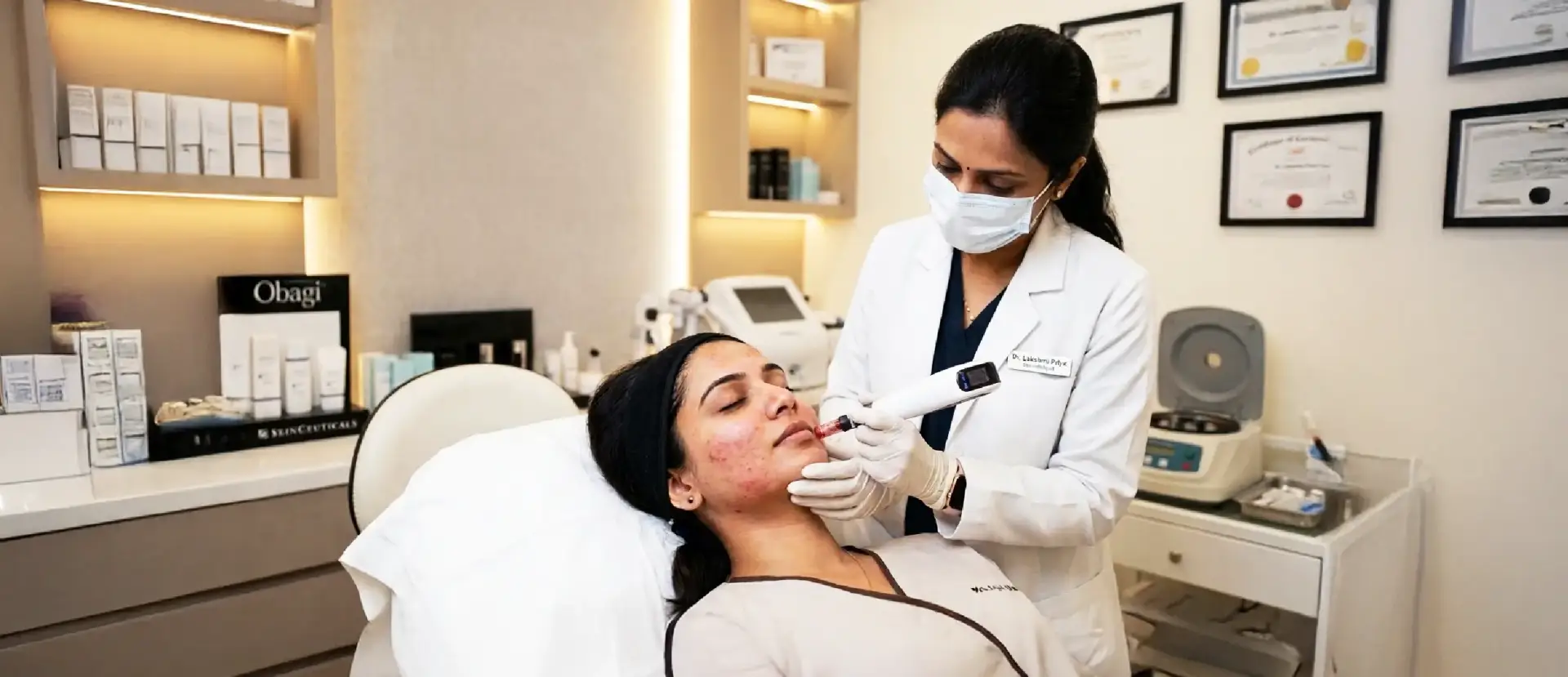
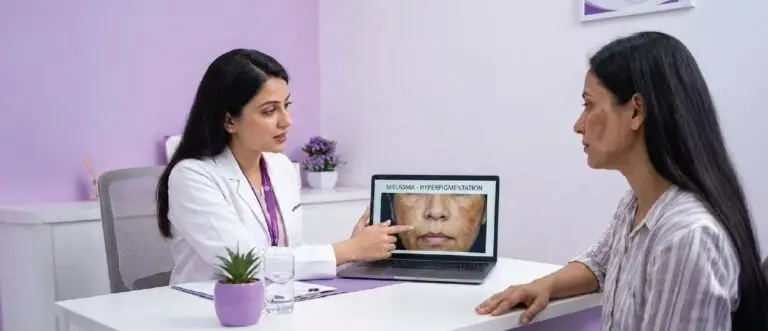
The treatment journey begins with detailed diagnostic evaluation. Dr. Uma Maheswari uses Wood’s lamp examination to assess melasma depth (epidermal, dermal, or mixed type), evaluates hormonal and environmental triggers, reviews previous treatments and their outcomes, and discusses your lifestyle factors that influence treatment planning.
This comprehensive assessment allows development of personalized treatment protocols that combine multiple therapeutic modalities strategically. Rather than trying one approach and hoping for results, Dr. Uma Maheswari creates coordinated plans that address melasma from different angles simultaneously.
Advanced technology at Vesta Skin Clinic includes laser systems specifically calibrated for Indian skin types, medical-grade chemical peels in multiple formulations and strengths, and prescription compounded topical therapies with pharmaceutical-quality active ingredients.
Dr. Uma Maheswari’s international training and specialized expertise in treating pigmentation disorders ensure treatments are performed with precision and appropriate safety parameters. Understanding the fine line between effective treatment and potential complications is crucial when treating melasma in darker skin tones.
The clinic’s treatment philosophy emphasizes gradual, sustainable improvement over aggressive approaches that risk worsening pigmentation. This patient-centered strategy acknowledges that melasma management is a marathon, not a sprint—requiring consistency, patience, and realistic expectations.
Post-treatment support includes detailed homecare protocols, access to medical-grade skincare products, regular monitoring appointments to assess progress, and protocol modifications based on treatment response and any side effects.
Located conveniently in T. Nagar with accessibility from Mylapore, Adyar, Nungambakkam, and throughout Central Chennai, Vesta Skin Clinic provides a comfortable, professional environment where patients feel understood and supported throughout their melasma treatment journey.
Lifestyle Modifications That Support Treatment Success
Beyond professional treatments, certain lifestyle adjustments significantly influence melasma outcomes.
Stress management matters because cortisol and other stress hormones can influence melanin production and worsen melasma. Incorporating relaxation practices, adequate sleep, and stress-reduction techniques supports treatment effectiveness.
Dietary considerations include consuming antioxidant-rich foods—berries, leafy greens, nuts, tomatoes, and green tea—that combat oxidative stress contributing to pigmentation. While diet alone won’t cure melasma, it supports overall skin health.
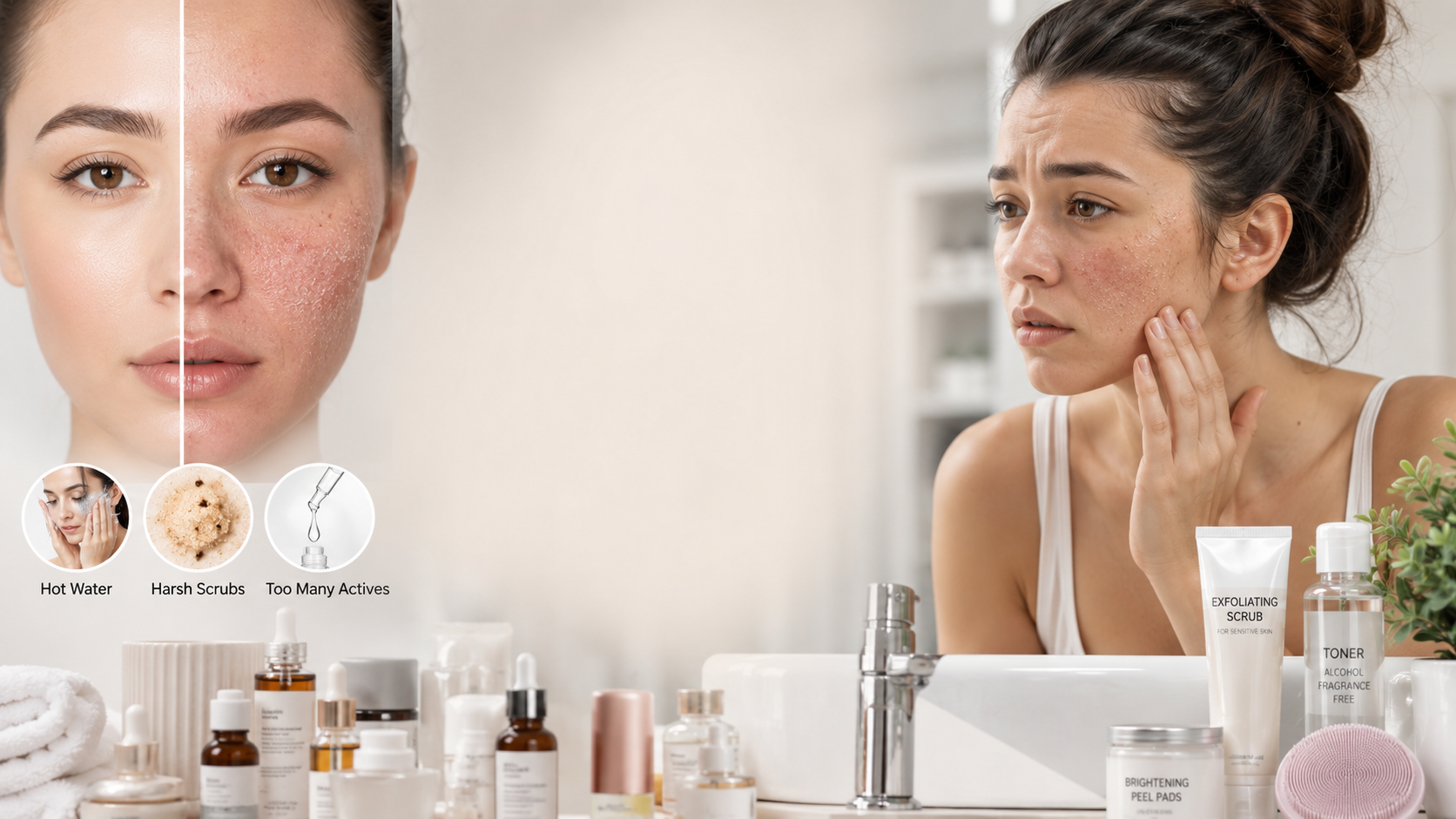
Gentle skincare practices prevent inflammation that can trigger post-inflammatory hyperpigmentation or worsen existing melasma. Avoiding harsh scrubs, picking at skin, or using irritating products maintains skin barrier integrity.
Hormonal awareness helps predict and manage melasma behavior. If your melasma worsened during pregnancy or with contraceptive use, discuss these patterns with your dermatologist to inform treatment planning and set realistic expectations about potential recurrence with future hormonal changes.
Preparing for Your Consultation
When you’re ready to pursue professional melasma treatment, proper preparation ensures productive consultation and accurate assessment.
Come to your appointment with clean, makeup-free skin so the dermatologist can accurately evaluate pigmentation patterns and depth. Bring a list of current skincare products, previous treatments you’ve tried and their results, medications including supplements and hormonal contraceptives, and photos showing how your melasma has changed over time if available.
The consultation typically includes Wood’s lamp examination to assess melasma depth and type, discussion of hormonal factors and triggers, explanation of appropriate treatment options for your specific melasma characteristics, realistic timeline expectations and maintenance requirements, and cost estimates for comprehensive treatment plans.
Prepare questions about treatment specifics, potential side effects, and what you can do to optimize outcomes. Understanding the commitment required—both financial and in terms of daily skincare adherence—helps you make informed decisions.
Conclusion
Finding effective melasma treatment Chennai dermatologist expertise requires partnering with professionals who understand this complex condition’s stubborn nature, have access to multiple evidence-based treatment modalities, demonstrate experience treating diverse skin types safely, and communicate honestly about realistic expectations and timelines.
Melasma won’t disappear overnight with any treatment, and complete permanent clearance isn’t guaranteed. However, significant improvement—typically 50-80% lightening—is achievable for most patients who commit to comprehensive treatment protocols and maintenance strategies. This level of improvement often dramatically enhances confidence and reduces the self-consciousness that melasma causes.
The key to success lies in professional diagnosis, customized combination treatments, religious sun protection, patience during the improvement process, and ongoing maintenance to prevent recurrence. While the journey requires commitment, the reward of clearer, more even-toned skin makes the investment worthwhile.
If you’re ready to address your melasma with treatments that actually work, Vesta Skin Clinic in T. Nagar offers expert consultation with Dr. Uma Maheswari. Your path to managing melasma effectively begins with understanding your unique condition and exploring evidence-based solutions tailored to your skin’s specific needs.
Book your confidential consultation today and take the first step toward the clear, confident skin you deserve.
Medical Disclaimer: This article provides general information about melasma and treatment options. Individual results vary significantly, and this content should not replace personalized medical advice. Consult with a qualified dermatologist for proper diagnosis and treatment recommendations specific to your condition.